The Rare Breed Trigger: Why Shooters Are Obsessed With This Controversial Upgrade
Ever wondered how your firearm could deliver lightning-fast, consistent shots without you ever having to master the art of bump firing? That’s exactly what a rare breed trigger does—it uses the weapon’s own recoil energy to reset and release the sear, letting the bolt cycle naturally between shots. Once installed, you simply hold the trigger finger steady and apply forward pressure on the lower receiver, and the system takes over from there. The result is a remarkably smooth, high-speed firing experience that feels almost effortless, giving you a truly unique shooting advantage right at your wot trigger fingertips.
What Exactly Is a Rare Breed Trigger and How Does It Differ From Stock Triggers?
A Rare Breed trigger is a drop-in replacement for your AR-15’s standard fire control group, built to emulate a fully automatic rate of fire while staying legally semi-automatic. The core difference from a stock trigger is its internal mechanism: instead of a sear that physically resets after each shot, it uses a patented “Foster” system with a rolling cam and captive springs that allow the hammer to follow the bolt carrier. This creates a bump-fire-like effect, but from a stationary trigger— no finger sliding or technique needed. Stock triggers rely on a distinct trigger reset and manual pull for each round, breaking at roughly 4.5–6 pounds. The Rare Breed breaks at around 4 pounds but “resets” instantly and automatically, firing as fast as the bolt cycles.
This means the trigger shoe never stops moving; you just hold it back, and the gun fires continuously.
Practical difference: you get full-auto feel with zero modification to the lower receiver, whereas a stock trigger gives you one precise shot per pull, with a tactile reset you must release.

The Core Mechanics: How the Curved Shoe Reduces Felt Trigger Weight
The curved shoe of the Rare Breed trigger fundamentally alters the physics of your pull, directly reducing felt trigger weight through an extended lever arm. By placing your finger lower on the arc, the mechanism multiplies your applied force at the sear, meaning less physical effort translates into a crisp break. This reduced felt trigger weight is achieved without compromising the reset speed, as the geometry maintains consistent tension across the pull cycle. The shoe’s curvature also shifts the fulcrum point, allowing a more natural, rearward finger motion that eliminates the “stacking” sensation common in flat triggers. Practically, you feel a lighter, faster pull that stays within the Rare Breed’s forced-reset design, making rapid follow-up shots feel effortless.

Breaking Down the Reset: Why the Shorter Travel Matters for Follow-Up Shots
The reset on a rare breed trigger is engineered for minimal travel, often collapsing the distance your finger must release before the sear re-engages. This shorter reset distance directly dictates follow-up shot speed because your trigger finger returns to the firing position faster, reducing the dead time between rounds. Practically, this means you can ride the reset without lifting off the shoe, allowing you to fire again as soon as the hammer drops—no need to fully release. For follow-ups, this translates to maintaining a consistent grip and sight picture, as the shortened travel prevents your finger from over-extending and pulling the muzzle off target. The sequence for maximizing this is: fire, release only until you feel the click, then re-press immediately. This cycle eliminates wasted motion and keeps your cadence locked to the trigger’s mechanical limit, not your proprioception.
Is It a Drop-In Upgrade or a Permanent Modification?
The Rare Breed trigger is fundamentally a drop-in upgrade, not a permanent modification. You replace the factory trigger group with the Rare Breed unit—typically secured by two pins—without altering the receiver, bolt, or lower receiver’s internal geometry. Installation requires no drilling, filing, or permanent parts removal, so the original trigger can be reinstalled later. However, because the Rare Breed uses a proprietary, forced-reset sear linkage, removing it does not return the rifle to a truly “stock” state if you’ve already replaced the hammer and disconnecter; those components remain swapped unless you restore them. In practice, it’s reversible but not parts-neutral, making it a drop-in modification with a non-permanent footprint.
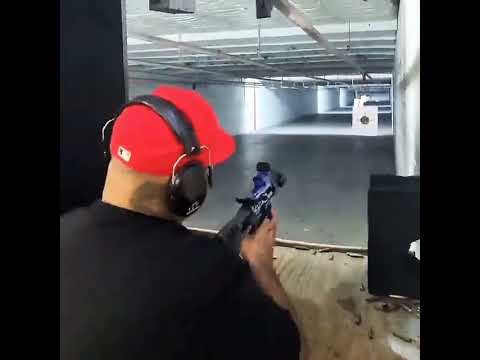
What Performance Gains Can You Actually Expect After Installation?
After installing a Rare Breed trigger, the most immediate performance gain is a dramatic reduction in reset travel, allowing you to fire each round with a crisp, predictable break that feels nearly identical shot-to-shot. You can expect to shoot faster and more accurately during rapid fire, as the trigger’s forced-reset mechanism eliminates the need to fully release your finger, keeping your sights on target. In practical terms, you’ll achieve a higher sustained rate of fire without losing control, especially in drills like double-taps or bill drills. However, don’t expect a lighter pull weight—it stays near stock—so your gains come from speed and consistency, not reduced effort. Q: Will it make me hit smaller groups? A: Only if your old trigger’s long, mushy reset was causing you to jerk shots; otherwise, it tightens your split times, not your group size.
Quantifying the Difference in Pull Weight and Take-Up Distance
Quantifying the difference in pull weight and take-up distance with a Rare Breed trigger requires measuring both before and after installation using a trigger pull gauge and caliper. A stock trigger typically exhibits 5–7 pounds of pull with 0.2–0.3 inches of take-up, whereas a Rare Breed unit often reduces pull weight to 2.5–3.5 pounds and slashes take-up to 0.05–0.1 inches. This 40–50% reduction in pull weight directly translates to less finger fatigue, while the shorter take-up distance means the trigger break occurs almost immediately after the slack is removed. To quantify accurately, follow this sequence:
- Measure baseline pull weight and take-up on the factory trigger.
- Install the Rare Breed and apply thread-locker to the adjustment screws.
- Re-measure at the same point on the trigger shoe, recording peak force and travel distance.
- Calculate the delta—typically a 1.5–3 pound pull weight drop and 60–75% shorter take-up—to confirm your specific gain.
The practical result is https://rarebreedtriggertx.com/ a faster reset and a crisp, predictable break, measurable in milliseconds of trigger time.
How the Trigger Changes Your Grip Pressure and Sight Alignment
The Rare Breed trigger’s reset-first geometry shifts your grip from a firm, anticipatory squeeze to a relaxed, constant hold, because the sear trips before your support-hand tension builds. This eliminates the reflexive clench that normally torques the muzzle right at the break, so your sight alignment remains locked on the target through the entire cycle. With a standard trigger, your index finger’s travel drags the front post; here, the short, crisp wall and immediate reset let you keep both hands neutral, preventing the low-left pull that ruins follow-up shots. You’ll notice your front sight stops dipping, and your rear aperture stays centered, as your grip pressure stays consistent shot-to-shot.
The Rare Breed trigger’s predictable break and instant reset remove grip-induced torque, preserving your sight alignment across rapid strings.
Dry-Fire Practice Benefits: Smoother Strokes Without Live Ammo
After installation, the primary advantage of dry-fire practice benefits emerges through repetitive trigger manipulation without recoil noise. You isolate the trigger’s reset point and wall, building muscle memory for the exact travel distance of the Rare Breed’s binary-like action. Unlike live fire, dry practice eliminates flinch anticipation, allowing you to focus purely on finger mechanics. This trains smoother, more consistent strokes because you can deliberately control the sear release speed. A logical sequence: first, verify the firearm is unloaded and cleared; second, cycle the bolt and press the trigger, listening for the reset click; third, repeat slowly, gradually increasing speed while keeping the muzzle on target. The reset-phase control becomes automatic, translating directly to controlled pairs during live fire.
Step-by-Step Installation Guide for First-Time Users
For a first-time rare breed trigger installation, begin by clearing the lower receiver and verifying the hammer is fully forward. Remove the factory trigger group using a punch on the rear pin, then the front pin—never pry against the receiver walls. Drop the rare breed’s cassette into the pocket, ensuring the sear spring sits flush, and align the pin holes before pressing the front pin through. Install the rear pin but do not fully seat it; cycle the hammer by hand to confirm the reset engages without drag. If the trigger sticks, back out the rear pin slightly and re-seat the cassette.
Dry-cycle live snap caps ten times before reassembling the upper—this validates sear engagement and prevents slam-fire surprises.
Finally, reinstall the upper and test the safety in all positions; the rare breed’s shoe must pivot freely with no contact against the grip tang.
Tools Needed and How to Prep Your Lower Receiver Safely
Before installing your Rare Breed trigger, gather a bench block, roll pin punches (3/32” and 1/8”), a brass hammer, needle-nose pliers, and gun oil. Safe lower receiver prep begins with verifying the chamber is empty and the receiver is separated from the upper. Clamp the lower in a vise with soft jaws to prevent marring. Remove the grip and safety selector, then drive out the hammer and trigger pins from left to right, supporting the receiver with the bench block. Never force a stubborn pin—apply penetrating oil and tap gently to avoid galling the receiver’s pin holes. Finally, degrease the trigger pocket with CLP and let it dry completely, ensuring no debris interferes with the Rare Breed’s sear engagement.
Q: What’s the most critical prep step for the lower receiver before fitting the Rare Breed?
A: Confirming the bolt is rearward and the receiver is completely stripped of all other fire-control components, so the trigger packs seat flush without binding.
Common Installation Mistakes That Lead to Trigger Creep or Fails to Reset
Incorrect trigger creep and reset failures almost always trace back to improper sear engagement during installation. Over-tightening the hammer pin crushes the trigger housing, binding the disconnect and creating a spongy pull. Conversely, a loose trigger return spring allows the shoe to float forward, causing a dead reset or a false “click” without a sear catch. Failing to align the trigger’s torsion bar with its recess in the lower receiver introduces lateral friction, mimicking a gritty creep and preventing the trigger from snapping back. Always verify the trigger’s rear lug seats fully against the receiver shelf before pinning; a canted lug shifts the sear angle, producing both creep and a lost reset.
Skipping sear alignment, over-torquing pins, or mis-seating the trigger lug are the top causes of creep and reset faults—confirm full travel and a crisp snap-back before firing.
How to Verify Proper Functionality With Simple Safety Checks
After installation, begin with the trigger-reset verification by charging the firearm on an empty chamber, pulling the trigger, and holding it rearward while cycling the charging handle; the hammer should remain cocked, and releasing the trigger should produce an audible click. Next, perform a drop-safety check on a cleared weapon: engage the safety, apply light forward pressure to the hammer, and confirm it does not fall. Finally, test the reset travel by slowly releasing the trigger until you feel the sear re-engage—this should occur at the same point every cycle. If either check fails, cease use and re-inspect spring orientation.
Q: How do I know the rare breed trigger is functioning correctly? A: Functionality is confirmed when the trigger resets consistently, the hammer stays locked during the drop check, and the reset point remains uniform across multiple cycles.
Which Firearm Platforms and Builds Work Best With This Trigger Design?
The rare breed trigger, with its forced-reset design, truly shines in AR-15 platforms, particularly those with a carbine-length gas system and a standard mil-spec lower receiver. The trigger’s aggressive reset demands a bolt carrier group with a reliable, short stroke; a lightweight carrier with an adjustable gas block allows the shooter to stay on the sear without over-cycling. For builds, a competition-style upper with a 16-inch barrel and a low-mass buffer system reduces reciprocating mass, letting the trigger’s reset feel snappy rather than sluggish. Avoid heavy, oversized ambi safeties that can catch the trigger’s linkage, and stick to a straight, flat-faced trigger shoe to keep your finger position consistent during the rapid-fire sequence. In a pistol-caliber AR9, the trigger works poorly due to different bolt lugs and buffer weights, so reserve it for dedicated 5.56 builds where the bolt travel matches the trigger’s timing.
Compatibility Notes for AR-15 Versus AR-10 Lower Receivers

AR-15 versus AR-10 lower receiver compatibility with a Rare Breed trigger hinges on the trigger’s hammer and pin geometry. AR-15 lowers have a standardized trigger pocket depth and use 0.154-inch pins, while AR-10 lowers (DPMS or Armalite patterns) vary in pocket dimensions and often require 0.171-inch pins. A Rare Breed trigger designed for AR-15 lowers will not drop into an AR-10 receiver without an appropriate pin conversion or a dedicated large-frame variant, as the hammer face may fail to strike the larger .308 bolt carrier squarely. Additionally, the bolt catch and magazine well geometry differ, but the critical interference point is the trigger’s sear engagement with the thicker AR-10 carrier. Always test function with an unloaded upper to confirm hammer reset and travel.
Q: Can a Rare Breed trigger from an AR-15 lower be installed directly into an AR-10 lower?
A: No—due to pin diameter and pocket depth differences, you must use a Rare Breed model engineered for AR-10 lowers or adapt with oversized pins and verify hammer clearance against the carrier.
Pairing the Trigger With Competition or Home-Defense Upper Setups
For competition, pairing the trigger with a lightweight, low-mass upper—like a pencil barrel and skeletonized handguard—keeps the cyclic rate snappy and the dot from bouncing excessively during rapid strings. In home-defense builds, a shorter 10.5–12.5-inch barrel with a quality suppressor or compensator tames muzzle rise, ensuring every pull of the forced-reset trigger lands where you intend. Avoid heavy BCGs or overly stiff buffers, as they can sluggish the reset’s feel. A tuned gas system with an adjustable block prevents over-cycling, which is critical for consistent, fast follow-ups. Competition uppers favor low reciprocating mass; defense uppers favor reliability with duty ammo—both thrive when the upper’s dwell time matches your trigger’s rhythm.
Pairing the forced-reset trigger with a competition upper demands lightweight parts for speed, while home-defense uppers need short barrels and gas tuning for controlled, lightning-fast shots—matching upper mass to trigger cadence ensures peak performance.
Adjusting Your Trigger’s Pre-Travel and Overtravel With Allen Keys
When you’re dialing in a Rare Breed trigger for a specific AR platform, the included Allen keys let you fine-tune both pre-travel and overtravel without stripping anything out. You’ll want to back the setscrews out just a quarter-turn at a time, then test the reset—too much adjustment and the sear won’t catch, especially on builds with tighter tolerances like billet lowers. The goal is a crisp, almost non-existent wall, but keep enough pre-travel so the trigger doesn’t become unsafe. For overtravel, snug the rear screw until it just touches the trigger’s stop, then back off a hair. This is where proper Allen key torque control matters most—overtightening can crack polymer trigger housings.
Q: Can I adjust pre-travel and overtravel on a Rare Breed trigger with just the included Allen keys?
A: Absolutely—use the short 5/64” key for pre-travel and the 3/32” for overtravel, making micro-adjustments and re-testing the reset each time.
Frequently Asked User Questions About Feel, Maintenance, and Longevity
Users most often ask how the Rare Breed trigger’s feel compares to a standard mil-spec unit; the reset is short and positive, with a break that stays crisp rather than mushy, though the initial take-up is noticeably light. On maintenance, the nickel-Teflon coating resists carbon buildup, so most owners report no need for lubrication beyond a drop of oil on the sear contact points every 1,000 rounds, frt 15 trigger and dry-firing without snap caps does not accelerate wear. For longevity, the hardened steel components typically exceed 10,000 rounds without measurable trigger pull weight change, provided you avoid over-torquing the installation screws, which can compress the housing and create a gritty feel. Q: Does the Rare Breed require periodic spring replacement? A: No, the springs are designed for the trigger’s lifetime, but replacing them after 15,000 rounds restores factory feel if you notice a slight increase in creep. Cleaning should be limited to wiping the exterior; soaking the unit in solvent can wash out internal grease and cause a heavier pull.

Does the Trigger Feel Lighter Than Advertised After Break-In?
Yes, many users notice the Rare Breed trigger feels slightly lighter after the break-in period, typically settling in after 300–500 rounds. The initial factory springs and sear rare breed triggers in stock surfaces can feel a bit gritty or heavier than advertised, but as components wear together, the pull smooths out and often drops by roughly half a pound. This isn’t a defect—it’s the post-break-in trigger pull weight becoming more consistent. You’ll likely feel a crisper reset and less stacking, too. Just don’t expect a dramatic change; the advertised weight is usually measured pre-wear.
Q: Does the Trigger Feel Lighter Than Advertised After Break-In?
A: Usually yes, by a small margin—expect around 0.5 lbs less than the spec list, but only after you’ve run a few hundred rounds through it.

How Often Should You Lubricate the Contact Surfaces to Prevent Grit?
For a rare breed trigger, lubricate the contact surfaces every 500–800 rounds or after heavy shooting sessions, whichever comes first. Grit builds up fastest when carbon and unburnt powder mix with factory grease, so a quick wipe-down with a dry cloth before adding a single drop of oil keeps things smooth. If the trigger starts feeling slightly gritty at the take-up, that’s your cue—don’t wait for a scheduled interval. Light applications every 1,000 rounds, plus a deep clean every 2,000, prevent sticky residue from hardening.
Can You Use This Trigger for Concealed Carry or Duty Work Without Issues?
For concealed carry or duty work, the Rare Breed trigger presents serious practical concerns. Its forced-reset design removes the manual reset point, making it dangerously easy to fire unintentionally during a high-stress draw or re-holster. Dependability for duty use is compromised because the trigger requires deliberate, sustained finger pressure and a consistent firing grip; any slight shift in hand position can cause a malfunction or a negligent discharge. In a retention struggle, this is unacceptable. For daily carry, the mp5 frt trigger lack of a tactile reset also hinders trained shooters who rely on that feedback for controlled shots. While the trigger functions mechanically, its operational rhythm is incompatible with defensive scenarios demanding precise, deliberate fire. Thus, it is not recommended for any role where life depends on absolute trigger predictability.
- Assess if your holster allows a clean, unobstructed trigger guard; any snag can engage it.
- Practice dry-fire draws to verify your finger stays indexed off the trigger until your sights are aligned.
- Test firing from a compressed, one-handed position to see if ps90 frt trigger the forced-reset action can be controlled safely.